



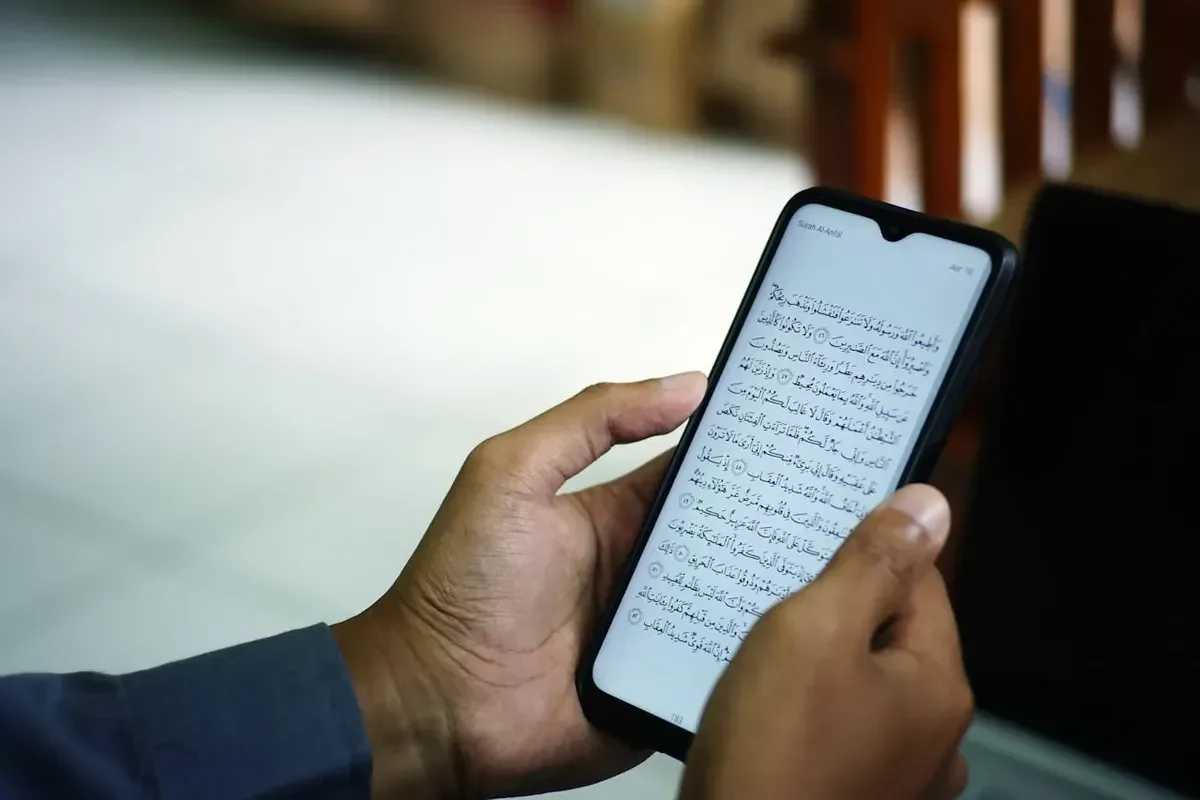
A few years ago, shopping was both a social ritual and a physical activity. We’d go to the market or store, see the goods in person, haggle over the price, and, just as importantly, count the contents of our wallets before deciding whether to buy or not.
There was a gap between desire and ownership, a gap that often led to the question of whether this was truly a need, or just a fleeting desire.
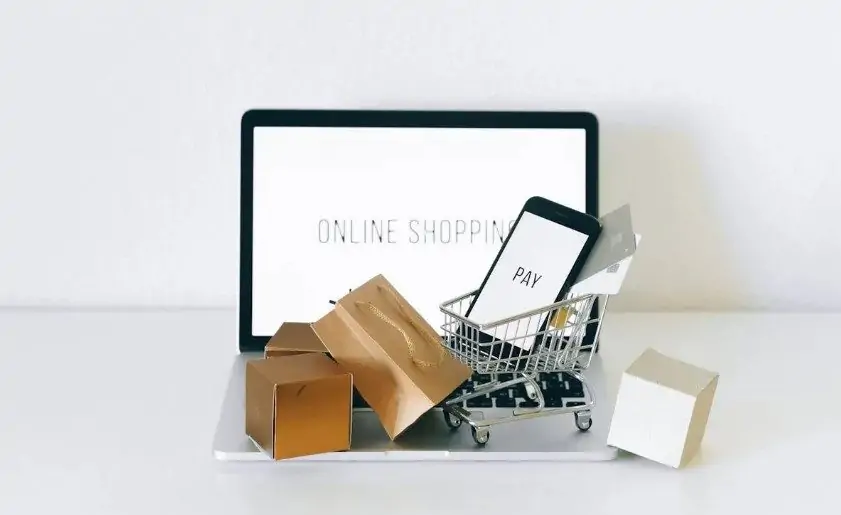
Now, that gap has nearly disappeared. One swipe of the screen, a click of “buy now,” and the desired item immediately flew from a distant warehouse to our homes. Waiting times have shortened, sometimes even just hours. The advent of paylater adds a new layer of “magic”: we can buy today without cash on hand, where we can pay later.
In a world built on speed and limitless connectivity, paylater has become an instant ticket to participate in the never-ending flow of consumption.
But beyond this convenience, paylater is a reflection of the digital culture we live in today, a culture characterized by speed, immediacy, and the density of signs. In digital culture, the primary value is no longer simply the ownership of goods, but how quickly they can be accessed and integrated into the flow of symbols on social media.
The speed of transactions (one click away) aligns with the speed of information flow, where waiting time is perceived as a barrier, and delays can mean missing out on trends.
The instant nature of paylater reflects a digital logic that eliminates the gap between desire and fulfillment. Like videos that can be played anytime or news that can be accessed in real time, goods can now be “owned” without having to go through the process of saving or waiting for payday. This is part of an on-demand culture, where everything is expected to be available as soon as desired.
Meanwhile, “laden with signs” refers to Jean Baudrillard’s idea that in a consumer society, goods are not only purchased for their function, but also for the symbolic meaning they carry.
Paylater facilitates this consumption of signs; we can immediately purchase the latest smartphone to assert our digital identity, or specific clothing to match the TikTok trending aesthetic, without any initial financial constraints.
In other words, paylater is not just a financial tool, but rather a mechanism that integrates the logic of digital culture into our consumption behavior (fast in access, instant in fulfillment, and full of symbolic meaning exchanged in the digital space).
Digital Culture and the Normalization of Instant Consumption
Digital culture is built on the logic of acceleration. Information spreads in seconds, messages must be responded to immediately, and trends change within weeks. This speed is not simply a technological trait, but a social norm.
In an ecosystem like this, paylater feels “natural.” Don’t have money now? No problem. The new trend will arrive next week? Don’t miss out.
The normalization of instant consumption is reinforced by social media algorithms. We are constantly bombarded with unboxing, haul, and review content that fuels the desire to own. Items that were previously unthinkable become urgent simply because they recur on our timelines. The line between needs and wants becomes blurred.
Jean Baudrillard (1998) stated that in a consumer society, people buy not simply for their function, but for the signs and symbols attached to them.
A designer bag is not just a bag; it is a sign of status, taste, and identity. Paylater accelerates the pursuit of this sign: the excuse of “not having enough money” loses its relevance in the logic of digital culture.
From Credit Cards to Digital Wallets: A Shift in Consumer Mentality
Paylater is not just a financial innovation; it’s a mental transformation. While debt used to be synonymous with long-term commitments, such as mortgages and car loans, debt now exists on a micro-scale and short-term basis, financing the purchase of clothes, concert tickets, or the latest gadget.
Zygmunt Bauman (2000) stated that our society is becoming increasingly fluid, shifting from a lifestyle based on accumulation to one based on rapid consumption. Goods are purchased, enjoyed briefly, and then replaced for the latest version. Paylater streamlines this cycle, making ownership no longer a lengthy process but a momentary impulse.
In digital culture, existence is often constructed through the image we project online. OOTD photos, unboxing videos, or concert ticket uploads aren’t just about sharing experiences; they’re practices of self-branding. Sherry Turkle (2011) points out that digital media encourages us to curate ourselves, creating an idealized version that may differ from reality.
Paylater facilitates this process; we can “update” our digital image without waiting for financial capabilities to catch up. Consumption is no longer just about goods, but also about social validation. In this case, paylater becomes a tool to maintain the self-narrative that we build in cyberspace.
FOMO: The Psychology Behind Clicking Paylater
Behind the urge to purchase via Paylater lies a psychological phenomenon unique to the digital era: Fear of Missing Out (FOMO). Andrew Przybylski et al. (2013) define it as the anxiety that others are enjoying more valuable experiences without us.
Social media is a powerful FOMO generator. Friends’ vacation photos, influencers’ travel hauls, or flash sale promotions with countdowns create subtle but powerful social pressure. Paylater becomes an “instant bridge” to alleviate anxiety: goods or experiences can be owned immediately without waiting for financial means.
FOMO also reinforces the “now or never” logic rooted in digital culture. In Manuel Castells’s (2009) view, network technology creates timeless time, traditional deadlines disappear, and decisions are made in a continuous rhythm. Paylater aligns with this logic: no need to save for months, just click and join in the viral moment.
However, this satisfaction is fleeting. Once the trend changes, the purchased item loses its symbolic value, while the bill still comes. This is the paradox of digital culture: technology keeps us “always connected” and “on track,” but often at the expense of financial stability.
Ultimately, paylater is just one facet of our digital culture, a culture that teaches us that everything can be achieved with a single click, but often forgets that every click has consequences. It gives us freedom of choice, but also tests our patience and maturity in managing our desires.
In a world of instant gratification, perhaps the biggest challenge isn’t simply being able to pay bills on time, but also being able to postpone desires for the sake of a more secure future. (*)
Author: Femi F. Alamsyah (CDiCS, Researcher)
Originally posted in Mayantara Channel of AyoBandung.id in Bahasa Indonesia. Translation and re-publication of this material has been permitted by AyoBandung.id