


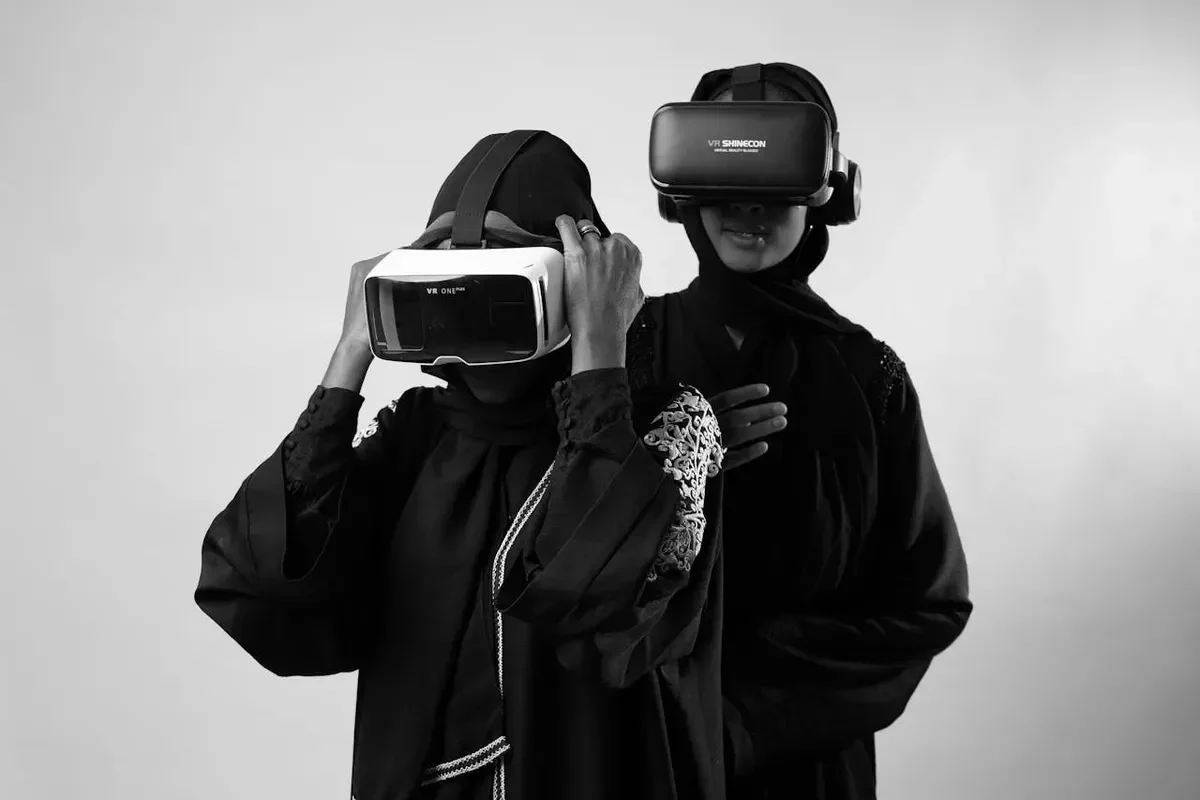
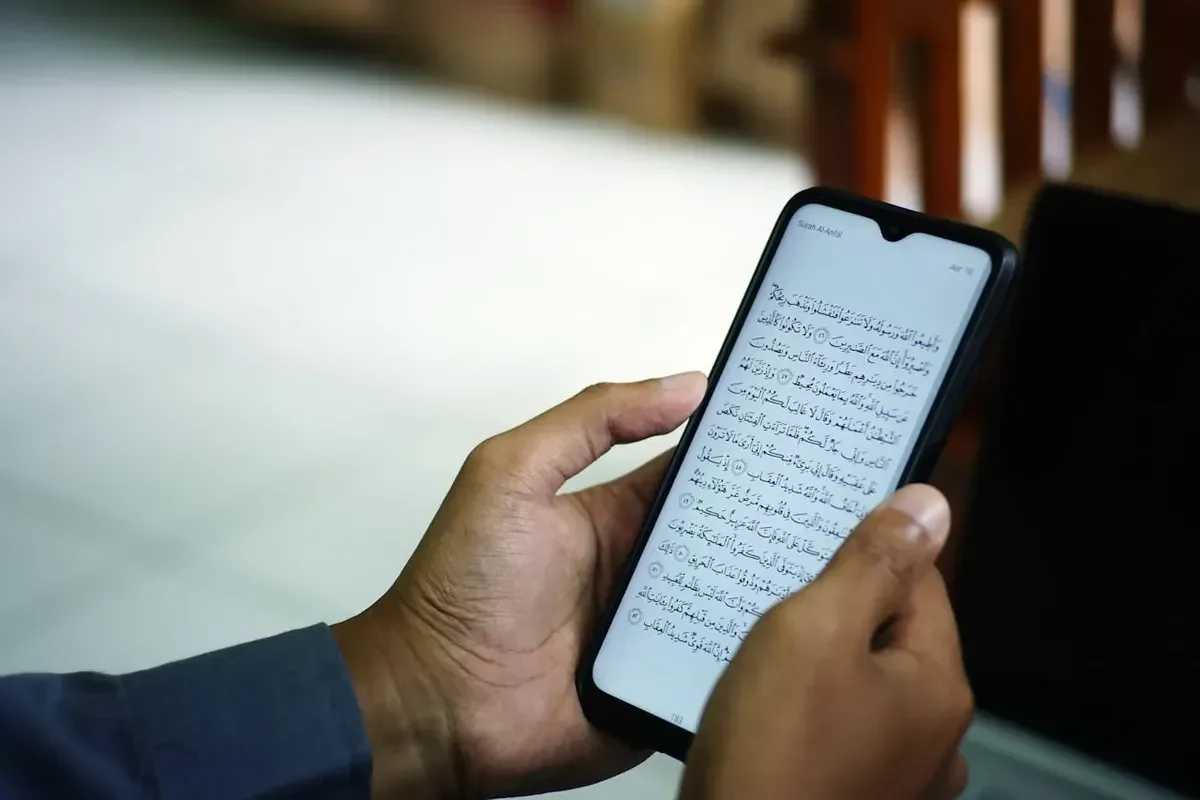

I was born in a time when the only notification was the loud ringing of the landline phone. My days were filled with yard games, teen magazines, and internet access only from internet cafes.
But I also grew up with major transitions: from 160-character SMS to unlimited WhatsApp, from simple Friendster to advanced Instagram, from personal blogs to the For You Page algorithm that seemed to know what was in our heads.
As a millennial, I feel like I’m standing at the crossroads of two eras: a time when the world wasn’t fully digital, and now when screens have become windows for work, entertainment, and even for discovering and shaping one’s identity.
The world feels so different, where online presence is often considered more important than physical presence, and validation in the form of likes and views has become a kind of social currency that determines self-worth.
Digitalization has changed so much. Not only how we work and communicate, but also how we start our days, navigate our routines, and build relationships with others and ourselves.
Before greeting our families, most of us touch our screens. Notifications, messages, posts, and content greet us before we even open our eyes.
Whether we realize it or not, digital technology has infiltrated the most intimate spaces in our lives: the bedroom, the living room, or the dining table. It’s no longer seen as a mere tool, but has become a part of everyday life, ingrained, familiar, and difficult to let go of.
This transition isn’t just technical, but also cultural. To understand how this change is taking place, we can examine it through Roger Silverstone’s concept: the Domestication of Technology.
Understanding the Domestication of Technology
Roger Silverstone (1992), a key thinker in media studies, introduced the concept of technological domestication to describe how technology, initially foreign, technical, and neutral, transforms into something close, familiar, and inseparable from personal and social life.
He observed that technology does not simply become a part of our lives. A cultural process occurs slowly but surely, when a foreign object, whether a cell phone, laptop, television, or even the internet, is taken from the public sphere and then domesticated in the private sphere.
Roger Silverstone divides the process of technological domestication into four main stages: appropriation, objectification, incorporation, and conversion. These four stages explain how initially foreign technology can become part of everyday life, even shaping social identity.
Let’s look at the most obvious example of technological domestication in everyday life: the smartphone. Its presence begins when someone decides to purchase one, not solely for technical needs, but also for lifestyle considerations, self-image, and even social pressure. This is the appropriation stage. Which brand is chosen? How sophisticated is the camera? Do your friends use it too? These questions aren’t about function, but about social place.
After a phone is purchased, it’s given a place. It’s not left haphazardly. Some people place it neatly on their desks, others arrange it next to their beds. Often, it’s equipped with a pastel-colored case, a cute pendant, or an expensive screen protector. This is objectification, when the object isn’t just a tool, but takes on a symbolic position in the user’s home and life.
Then, the phone begins to integrate into everyday life. It becomes an alarm clock, a reminder for schedules, a place to work, listen to music, play, and even relax when tired. This is the incorporation stage: when technology no longer feels like an external object, but part of the rhythm of life itself.
And finally, the phone becomes a digital mirror of who we are. What we post, how we talk on social media, what apps we use—all part of the conversion stage. Technology becomes a tool for self-presentation, for demonstrating our position in society, both personally and professionally. Technology, in this process, not only help us. It also shape how we see the world, and even how the world sees us.
When Domestication Fails
However, not all domestication processes run smoothly. In many cases, the presence of technology actually creates tension, resistance, or even open conflict. This occurs when existing social and cultural values are not aligned with the way the technology works or its impacts.
One example is digital addiction among children and adolescents. When devices such as mobile phones and tablets are used excessively for gaming or watching entertainment content, daily routines are disrupted, learning activities are neglected, sleep is reduced, and social interaction is minimized. In this situation, technology fails to integrate healthily into domestic life.
On the other hand, there is also resistance from adults and the elderly, especially towards financial technologies such as e-wallets or public service applications.
Many feel unfamiliar, fear losing money, or are confused by digital interfaces perceived as complicated. This resistance demonstrates that not everyone finds technology suitable for their needs.
In the world of education, teachers and educators are also experiencing difficulties adapting, especially as the pandemic accelerates online learning. Limited infrastructure, digital skills, and mental fatigue make technology a burden rather than a solution. Even in more personal spaces like family WhatsApp groups, tensions can arise due to the spread of inaccurate information.
Hoaxes, chain messages, and extreme opinions often lead to misunderstandings between family members, demonstrating that technology can reinforce social distance if not managed wisely. These circumstances demonstrate that the domestication of technology is not an automatic or neutral process.
It is the result of negotiations between generations, between expectations and fears, between old comforts and new challenges. When these negotiations fail, technology serves not as a unifier but as a source of collective anxiety.
Who Tames Who?
In today’s digital world, the question of who controls whom becomes increasingly relevant. Are we shaping technology to fit our lives, or is technology slowly controlling the way we live?
The concept of technological domestication helps us see that the relationship between humans and technology is far more complex. We not only accept the presence of technology but also adapt our habits, values, and even how we see ourselves to fit it. Routines change, social interactions shift, and living spaces are redesigned to follow the digital rhythm.
We feel in control (choosing apps, managing our time, determining our interactions), but in reality, many of our decisions are influenced by systems operating behind the scenes. Technology slowly directs our attention, shapes our emotions, and cultivates certain thought patterns.
Roger Silverstone calls this process a mirror of social relations. Technology does not exist neutrally. The way we use it reflects our culture, values, and social position. What we choose, how we use it, and when we connect are all inseparable from the social context in which we live.
Technology does not come as a blank slate. We accept it, give it space, and give it meaning. But at the same time, it also reshapes our lives, bit by bit. This is the point where domestication fully occurs: when we think we are controlling technology, when in fact, without realizing it, technology is controlling us. (*)
Author: Femi F. Alamsyah, M.Hum (CDiCS Researcher)
Originally posted in Mayantara Channel of AyoBandung.id in Bahasa Indonesia. Translation and re-publication of this material has been permitted by AyoBandung.id